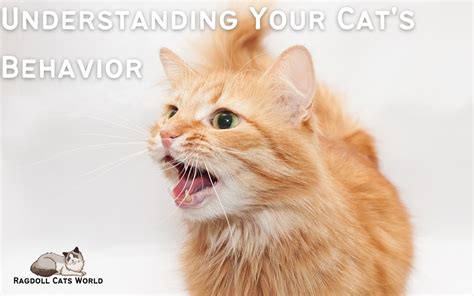



Our pets are constantly communicating with us — through their eyes, tails, and even the tiniest gestures. Whether it’s a wagging tail, a playful bite, or a sudden burst of zoomies, every action has meaning. As loving owners, understanding these behaviors helps us connect better with our pets and care for them more effectively. In this article, we’ll decode five common pet behaviors that often puzzle owners, revealing what they truly mean and how you can respond the right way.
Tail Wagging and Body Language
One of the most recognizable signs of a pet’s mood is its tail. For dogs, a wagging tail is often associated with happiness, but not all wags are created equal. The speed, direction, and position of the tail all play important roles in communication. A high, stiff wag might indicate alertness or even tension, while a relaxed, side-to-side wag usually signals friendliness. Similarly, cats use their tails to express emotion — a gently swishing tail may show curiosity, whereas a flicking or puffed-up tail can suggest irritation or fear.
Beyond the tail, pets use their entire body to communicate. Dogs may crouch slightly and bow when they’re inviting play, or hold a stiff, upright posture when feeling threatened. Cats often flatten their ears and arch their backs as a warning sign. Learning to interpret these signals can prevent misunderstandings and promote a safer, more trusting relationship. Remember: your pet’s body language is its way of speaking without words — pay attention, and you’ll soon become fluent.
Kneading, Purring, and Other Feline Habits
If you’re a cat owner, you’ve likely experienced your feline friend kneading your lap with rhythmic paws, as if making biscuits. This behavior often starts in kittenhood, when kittens knead their mother’s belly to stimulate milk flow. In adult cats, kneading is a comforting action that indicates trust and relaxation. It’s their way of saying, “I feel safe here.” However, some cats may also knead to mark territory, as their paws contain scent glands that release a subtle pheromone.
Purring is another fascinating feline mystery. While most people associate purring with contentment, cats also purr when they’re anxious, injured, or even in labor. Scientists believe purring may serve as a self-soothing mechanism — and the low-frequency vibrations can promote healing by stimulating tissue regeneration. So, the next time your cat curls up and purrs beside you, know that it’s not just affection; it could be their natural form of therapy and communication rolled into one.
Head Tilting and Curious Listening
That adorable head tilt your dog makes when you speak isn’t just for show — it’s a sign of focused listening and cognitive processing. Dogs tilt their heads to adjust their ear position, helping them pinpoint the source of a sound. This gesture also enhances visual perspective, especially when they’re trying to interpret facial expressions or read your emotional tone. It’s their way of saying, “I’m trying to understand you.”
Recent studies suggest that dogs who frequently tilt their heads may be more attentive or responsive to human communication cues. This behavior might also strengthen the bond between owner and pet, as humans naturally find it endearing and rewarding. For cats, tilting their head can signal curiosity or a reaction to an unfamiliar noise — though it’s less common than in dogs. Observing when and how your pet tilts its head can reveal much about its intelligence and emotional connection with you.
Zoomies: The Burst of Energy Explained
Every pet owner has witnessed it — that wild moment when their dog or cat suddenly sprints around the house like a tornado of fur. This spontaneous energy explosion, often called “zoomies” or FRAPs (Frenetic Random Activity Periods), is a completely normal way for animals to release pent-up energy. It’s most common in young pets or those who have been resting for long periods, such as after a bath or a nap.
Zoomies can be a sign of joy, excitement, or relief. Dogs, in particular, use these bursts to express pure happiness. Cats, on the other hand, might get the zoomies after using the litter box or when they’re feeling playful and confident. While zoomies are harmless most of the time, it’s best to make sure your home is safe — no slippery floors or sharp furniture edges that could cause injury. Understanding this behavior as a healthy form of self-expression helps you appreciate your pet’s natural rhythm and enthusiasm for life.
Licking, Biting, and Gentle Nibbling
When your dog licks your hand or face, it’s usually a sign of affection and submission — a gesture rooted in pack behavior. Puppies lick their mothers and other dogs to show respect and seek attention. In domestic pets, licking can express love, reduce stress, and even be a way to taste or gather information about you. However, excessive licking might indicate anxiety, boredom, or a need for stimulation, so it’s important to observe the context.
For cats, gentle nibbling or love bites are often misunderstood. While a firm bite might signal overstimulation or irritation, soft nibbles are usually playful and affectionate. Some cats use light biting as a form of grooming, mimicking behavior from kittenhood. If your pet crosses the line into rough play, redirect its energy with toys instead of punishment. Positive reinforcement will teach boundaries while maintaining trust and affection.
Understanding Your Pet’s Emotions and Building Trust
Every meow, wag, purr, or playful nip is part of an ongoing emotional dialogue between you and your pet. By learning to interpret these signals, you can anticipate their needs, prevent stress, and foster a deeper emotional connection. Animals thrive when they feel understood — and owners benefit from reduced behavioral issues and stronger companionship in return.
Creating a calm, predictable environment is key. Offer consistent routines, positive reinforcement, and gentle attention. Use body language and tone of voice that communicate safety and love. Remember that each pet has its own personality; what soothes one may annoy another. The real magic of pet ownership lies in patience and observation — the more time you spend watching and understanding, the more your pet will trust and adore you.
Final Thoughts
Pets may not speak our language, but they’re constantly talking through actions, expressions, and instinctive cues. Decoding their behavior not only enhances your bond but also improves their overall well-being. From tail wags to head tilts, every motion tells a story — one of affection, curiosity, or simply the joy of being alive. The more fluent you become in your pet’s emotional language, the more rewarding your companionship will be.
You may also interested in:
 Understanding Cat Body Language: What Those Tail Movements Mean
 Decoding Cat Purrs: What Your Cat is Trying to Tell You
 Nurturing the Bond with Your Cat: Building Trust and Affection
 Exploring the World of Cat Toys: Which Ones Are Right for Your Pet?
 Understanding Your Cat’s Behavior: Insights Every Owner Should Know