


As the automotive world accelerates toward a cleaner and smarter future, two major players have emerged as the most accessible and practical choices for eco-conscious drivers: electric and hybrid vehicles. In this post we are going to provide comparative data for electric vs. hybrid cars. Both types of cars promise reduced emissions, lower fuel costs, and an overall shift toward sustainability. Yet, when it comes down to choosing the best fit for your lifestyle, the answer isn’t always clear-cut. Should you go all-in with a fully electric vehicle (EV), or is a hybrid car’s balance between gasoline and electric power the smarter choice for your daily routine?
This guide breaks down the essential differences between electric and hybrid cars — from driving experience and maintenance to charging, cost, and environmental impact — so you can make an informed decision that aligns with your needs, budget, and lifestyle.
Understanding the Basics: What Are Electric and Hybrid Cars?
What Is an Electric Car?
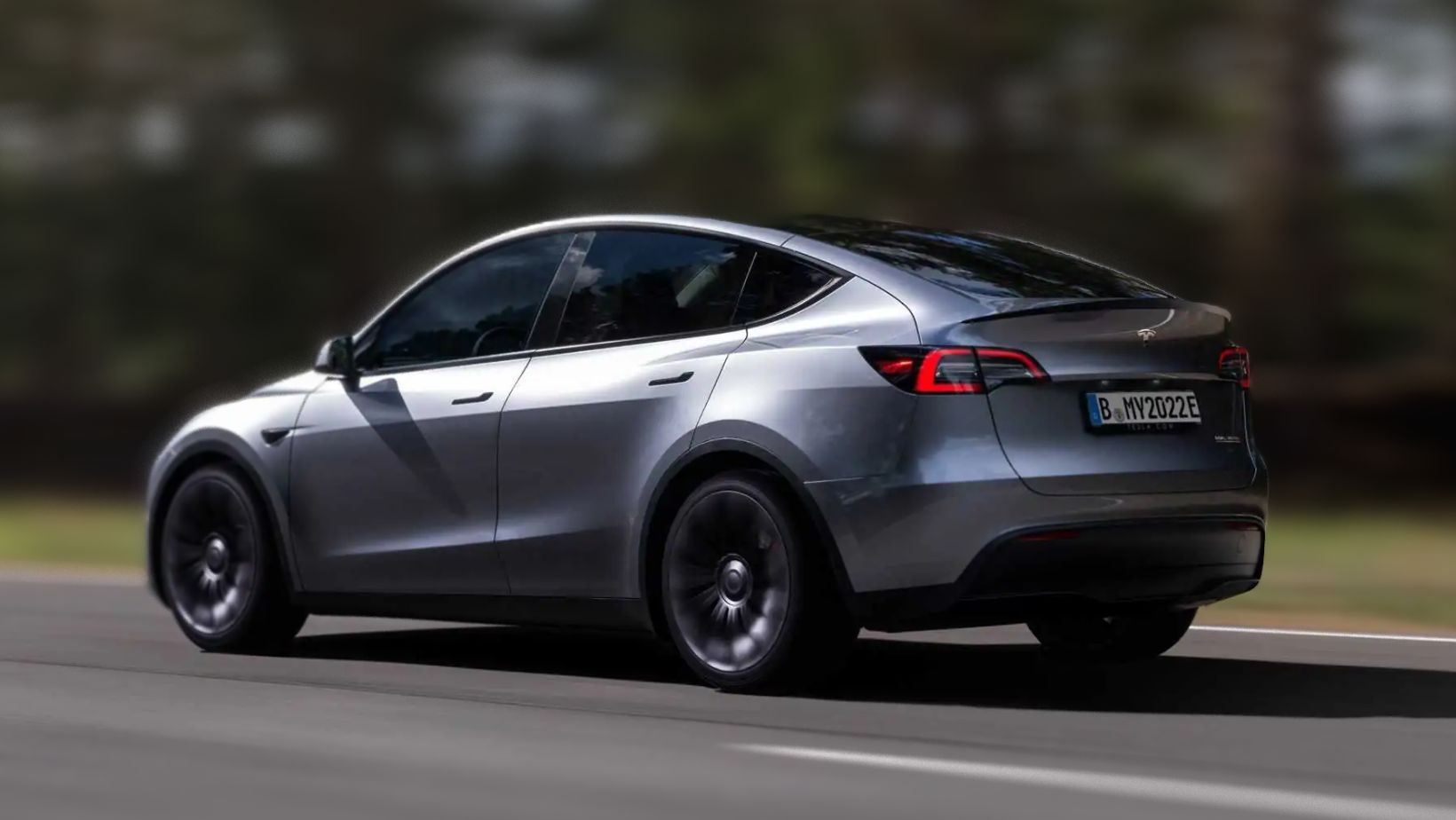
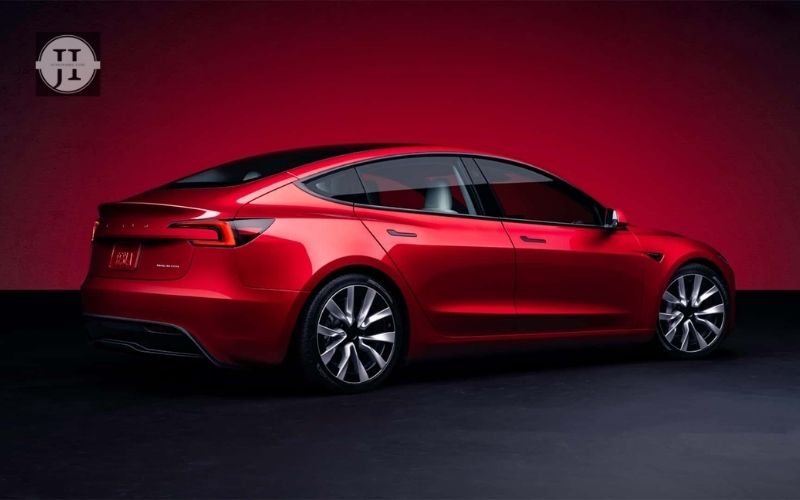
Electric vehicles (EVs) are powered entirely by electric energy stored in rechargeable batteries. Instead of relying on a gasoline engine, they use an electric motor that delivers instant torque and a smoother driving experience. Charging can be done at home using a standard outlet or through public charging stations. Popular models like the Tesla Model 3, Nissan Leaf, and Hyundai Ioniq 6 showcase how far EV technology has come in terms of performance, range, and comfort.
Since electric cars don’t require gasoline or oil changes, they are significantly cheaper to operate in the long run. However, the tradeoff is the need to manage charging schedules and battery range — factors that vary depending on your driving habits and location.
What Is a Hybrid Car?
Hybrid cars combine an internal combustion engine with one or more electric motors, creating a flexible power system that switches automatically or manually between the two. This setup allows hybrids to use electric power at low speeds or during short trips, while the gasoline engine kicks in for longer drives or higher speeds. Well-known examples include the Toyota Prius, Honda Insight, and Hyundai Elantra Hybrid.
Because hybrids can refuel at regular gas stations and don’t rely solely on battery power, they eliminate “range anxiety” — a common concern among EV owners. However, they still produce some emissions and require periodic engine maintenance, unlike fully electric vehicles.
Performance and Driving Experience
Acceleration and Handling
Electric cars are often quicker off the line thanks to instant torque delivery from their electric motors. This makes them fun to drive and ideal for urban environments where stop-and-go traffic is common. With a low center of gravity due to battery placement, EVs also offer excellent handling and stability.
Hybrid cars, while efficient, generally don’t match the raw acceleration of pure EVs. Their performance depends on how seamlessly the system transitions between electric and gas power. Still, modern hybrids have improved considerably, offering smoother rides and better responsiveness than earlier models.
Noise and Comfort
One of the standout features of electric cars is their quiet operation. Without an engine running, they produce minimal noise, resulting in a peaceful, vibration-free ride. This contributes to a luxurious driving experience that even high-end gas vehicles struggle to match.
Hybrid cars, on the other hand, still rely on combustion engines during part of the drive. While quieter than traditional gasoline vehicles, they can’t achieve the near-silent ride that EVs deliver. However, the transition between power sources in modern hybrids has become almost imperceptible, ensuring comfort remains high.
Range and Charging Convenience
Electric Vehicle Range
The average range of modern electric cars has improved dramatically, with many models capable of traveling 300 miles or more on a single charge. However, range still varies depending on factors like temperature, driving speed, and battery health. For urban drivers or those with reliable access to charging, this is usually sufficient. For long-distance commuters or frequent travelers, careful route planning may be required.
Charging infrastructure is expanding globally, but access can still be uneven in rural or less developed areas. Fast-charging networks such as Tesla Supercharger and Electrify America are making it easier to travel long distances, reducing one of the biggest barriers to EV adoption.
Hybrid Fuel Flexibility
Hybrid cars excel in flexibility. Because they can use both electricity and gasoline, drivers rarely need to worry about running out of power. The regenerative braking system helps recharge the small battery while driving, ensuring efficiency without external charging.
For those who frequently drive long distances or live in areas where charging infrastructure is limited, hybrids offer a practical middle ground — the benefits of electric efficiency without the dependency on chargers.
Cost and Maintenance
Initial Purchase Price
Electric cars tend to have a higher upfront cost than hybrids due to the expensive battery technology. However, incentives such as tax credits, state rebates, and manufacturer discounts can help offset this. Over time, as battery production scales and technology improves, EV prices continue to drop, making them increasingly competitive with hybrids and even traditional gas vehicles.
Hybrid vehicles are usually more affordable initially, offering a lower barrier to entry for eco-conscious drivers who want fuel efficiency without committing fully to electric.
Long-Term Ownership Costs
In terms of running costs, electric cars have the upper hand. They require less maintenance — no oil changes, fewer moving parts, and lower fuel expenses. Electricity is generally cheaper per mile than gasoline, especially when charged at home overnight during off-peak hours.
Hybrids still require engine maintenance, oil changes, and fuel, though less frequently than standard cars. Over several years, maintenance and refueling costs can make hybrids slightly more expensive to operate than EVs, depending on driving patterns and fuel prices.
Environmental Impact
Zero Emissions Driving
Electric vehicles produce no tailpipe emissions, making them the clear winner for urban air quality and climate goals. When powered by renewable electricity sources, their total carbon footprint can be significantly lower than that of hybrids or gasoline cars. EV adoption contributes directly to reducing greenhouse gases and improving public health.
That said, the environmental impact of battery production and disposal remains a concern. Manufacturers are investing heavily in recycling and sustainable sourcing to minimize this issue, with notable progress in recent years.
Hybrid Efficiency
Hybrid cars, while cleaner than traditional vehicles, still emit CO₂ due to their reliance on gasoline. However, their combined power system ensures far greater fuel efficiency and lower emissions overall. For drivers in regions where renewable energy isn’t widely available, hybrids can still offer an eco-friendly transition step before fully electric options become mainstream.
Infrastructure and Accessibility
Charging Network Availability
One of the most significant factors influencing EV ownership is the accessibility of charging stations. Urban areas and developed countries have rapidly expanding networks, while some regions still lag behind. Home charging remains the most convenient and cost-effective solution for most EV owners, although installation costs may vary depending on location.
For people living in apartments or shared housing without dedicated parking, charging can be more challenging — an area where hybrids maintain a clear advantage.
Fuel Station Accessibility for Hybrids
Hybrids benefit from an already established global fuel infrastructure. Drivers can refuel in minutes at any gas station, making them more adaptable for remote or rural areas where public charging networks are sparse. This accessibility continues to make hybrids appealing for long-haul drivers and those in regions with limited EV support.
Lifestyle Considerations: Which One Fits You Better?
For Urban and Short-Distance Drivers
If most of your driving consists of short city commutes or local errands, an electric vehicle is likely your best choice. It offers zero emissions, low running costs, and quiet, effortless performance. With more cities offering free parking or road incentives for EVs, the savings can add up quickly.
Plus, at-home charging can easily cover daily use without relying on public infrastructure, making EVs ideal for city dwellers.
For Long-Distance and Rural Drivers
Drivers who often travel long distances or live far from charging stations may find hybrids more practical. The flexibility of switching between electric and gas power eliminates range anxiety, allowing for spontaneous travel without worrying about finding a charger mid-trip.
Hybrid cars are also ideal for families who want better fuel efficiency but aren’t ready to rely solely on electric power — especially in regions with cold climates or limited charging availability.
Future Outlook and Market Trends
The Rapid Growth of Electric Vehicles
Global adoption of electric cars is growing exponentially. Major automakers like Ford, BMW, and Volkswagen are investing heavily in all-electric lineups, while governments worldwide are offering incentives and setting deadlines for phasing out fossil fuel vehicles. Battery technology continues to improve, leading to longer ranges, faster charging, and lower production costs.
This trajectory indicates that fully electric vehicles will likely dominate the market in the next decade, making them a smart long-term investment for early adopters.
The Enduring Appeal of Hybrids
Despite the rise of EVs, hybrids aren’t going anywhere soon. They remain a reliable, efficient bridge for consumers who aren’t ready or able to switch to all-electric driving. Plug-in hybrids (PHEVs) — which can run purely on electricity for short distances before switching to gasoline — further blur the line, offering the best of both worlds.
In many markets, hybrids will continue to serve as an essential transitional technology until charging infrastructure becomes universal.
Final Thoughts: Choosing the Right Path for You
Ultimately, the decision between an electric and a hybrid car depends on your individual lifestyle, driving habits, and priorities. If you have consistent access to charging, prioritize sustainability, and want the lowest long-term costs, an electric vehicle is likely your best option. On the other hand, if flexibility, convenience, and reliability matter most — especially in regions with limited EV infrastructure — a hybrid remains a solid, eco-conscious choice.
Both vehicle types represent a crucial shift away from traditional gasoline dependency and toward a cleaner, smarter automotive future. Whether you’re ready to plug in or prefer a hybrid balance, embracing electrified mobility is a step toward more responsible and future-ready driving.